



Returns are accepted within 15 days
Description
Natural VapoPatch is a gentle, plant-based solution designed to help support easier breathing and comfort during times of cold, congestion, or seasonal discomfort. Created using a blend of carefully selected essential oils, these vapour patches offer a simple alternative to traditional balms, ointments, or topical applications that may feel heavy or require frequent reapplication.
At the core of the formulation is a combination of botanical oils including Peppermint and Eucalyptus, known for their ability to help open up nasal passages and support clearer breathing. These ingredients work together to create a mild and continuous vapour effect that helps ease discomfort associated with blocked nose and congestion, making breathing feel more comfortable over time.
The formulation is further supported by calming ingredients such as Chamomile and Manuka, which help create a soothing environment that encourages relaxation and better sleep. Thyme, Lemongrass, and Mountain Pine oils complement the blend by contributing to overall respiratory comfort while maintaining a balanced and gentle aromatic experience.
The patches are made using a breathable, plant-based material that allows gradual release of vapours over time. This ensures consistent comfort for up to 12 hours without direct application on the skin. The design allows the patch to be placed on clothing or nearby surfaces such as pillows, cribs, or strollers, making it suitable for both daytime use and night time care.
Lightweight and easy to use, the patches eliminate the need for messy creams or strong-smelling rubs. Once applied, they provide continuous support without disturbing daily activities or sleep. The gentle vapour release works subtly, creating a comfortable environment without being overpowering.
With its camphor-free composition and mild aromatic profile, Natural VapoPatch provides a practical and reliable way to support breathing comfort, especially for babies and children during cold or seasonal changes. It is designed for regular use, offering a simple and convenient addition to everyday care routines.
How to use
Ingredients
Shipping and Delivery
Expect delivery anywhere in the U.S. within 5–7 business days.


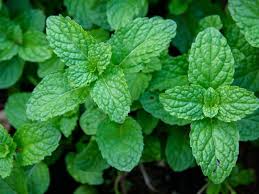
Peppermint

Eucalyptus Oil

Manuka Honey

Chamomile